
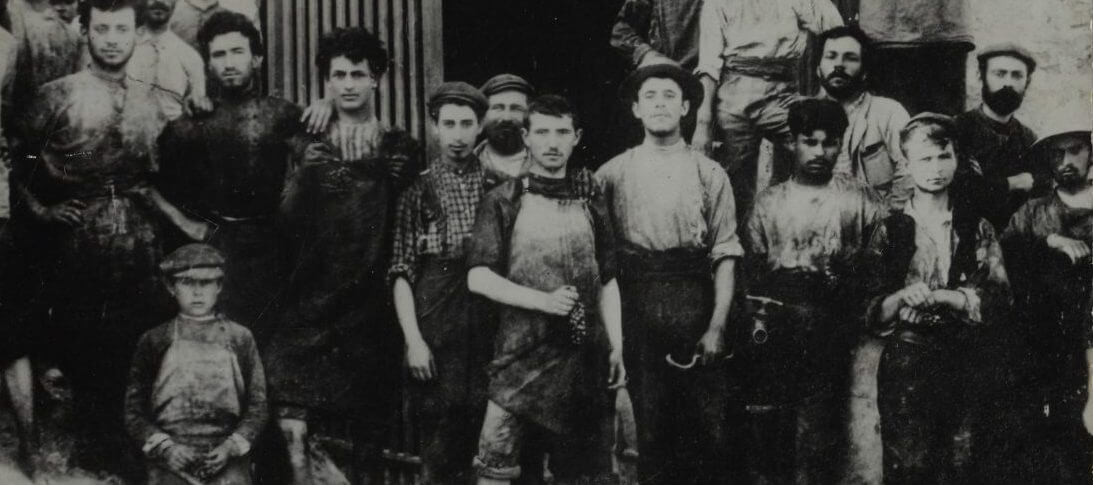
On September 9, 1906, twenty-year-old David Ben-Gurion (then David Green) immigrated to Eretz Israel. He landed at the port of Jaffa and, that very evening, set out with several people from his hometown for Petah Tikva. There, he experienced working the land for the first time. Later, he moved among the various rural Jewish settlements of pre-state Israel. For a period, he worked in wineries in Rishon LeZion and Kfar Saba. At the same time, he became a member of the provisional committee that led the Poalei Zion party, together with Israel Shohat.

A year after immigrating to Eretz Israel, David Ben-Gurion (then David Green) moved to Sejera in the Galilee. “Here in Sejera, I found the homeland environment I had missed so much.” he said. (Memories vol.5 p.35)
1907
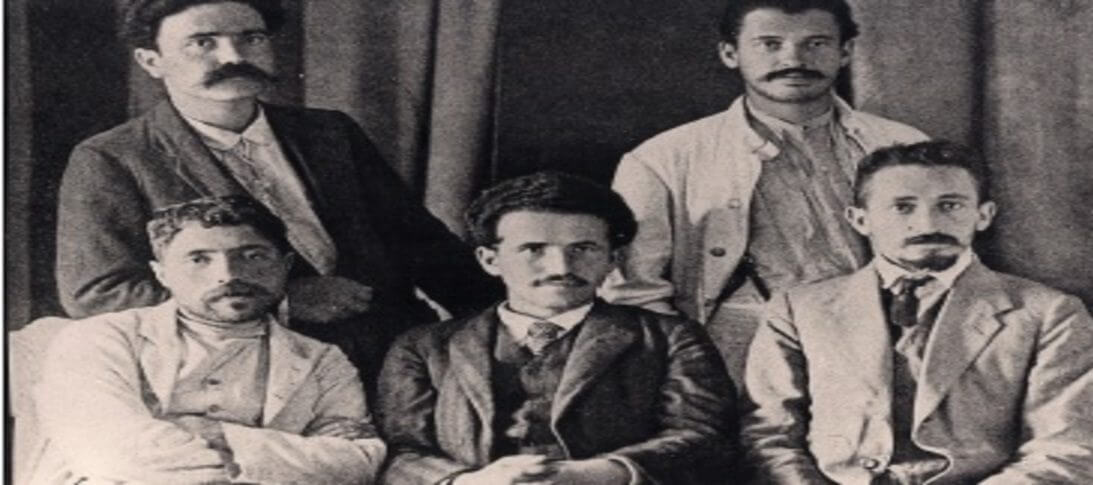
Together with Yitzhak Ben-Zvi and Rachel Yanait Ben-Zvi, David Ben-Gurion (then David Green) moved to Jerusalem, where they became editors of the newspaper HaAhdut (“Unity”). It was then that he changed his name to Ben-Gurion.
1910

David Ben-Gurion and Yitzhak Ben-Zvi were accepted to study law at Istanbul University (then known as Kushta) in Istanbul. They believed it was important to study there in order to effectively represent the Jews of the empire before the Ottoman government. When Ben-Gurion arrived in Eretz Israel on leave from his studies in the summer of 1914, World War I broke out.
1912
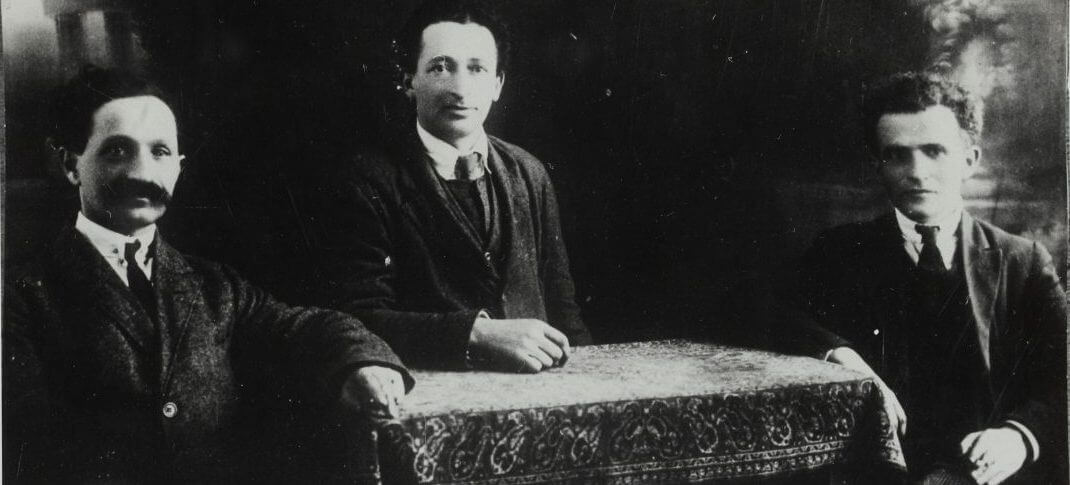
Yitzhak Ben-Zvi and David Ben-Gurion were expelled from the country by the Ottoman authorities due to their Zionist activity and perceived ties to Russia and were exiled to Alexandria. In that same year, they traveled to New York City, where they began organizing the HeHalutz (“The Pioneer”) movement.
1915
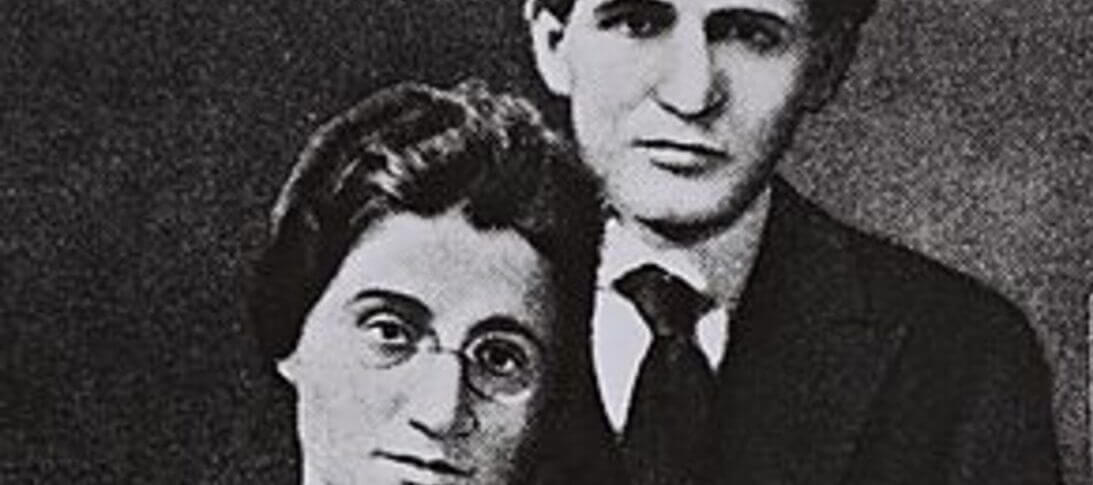
In December 1917, David Ben-Gurion married Paula Ben-Gurion (née Munweis). They had three children: Geula, Amos, and Renana.
1917

David Ben-Gurion and Yitzhak Ben-Zvi organized a volunteer movement for the Hebrew battalions of the British Army. Ben-Gurion himself was among the volunteers. With the British occupation, Ben-Gurion returned to Eretz Israel, where he began his involvement in the labor movement alongside Berl Katznelson.
1918
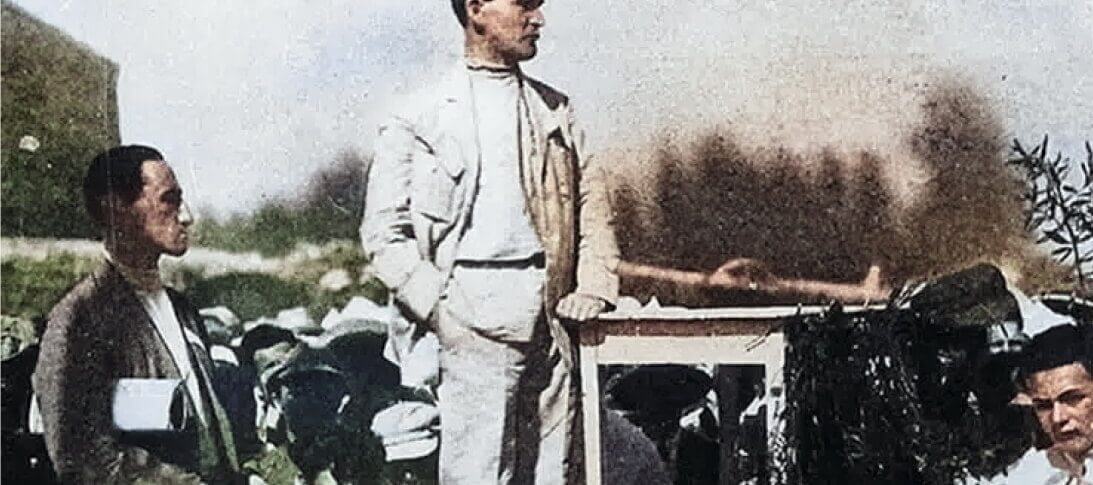
David Ben-Gurion was elected to the Secretariat of the Executive Committee of the Workers’ Union in Eretz Israel and served as General Secretary of the Histadrut until 1935.
“The working public that is growing in Eretz Israel through immigration sees itself not only as the beginning of a healthy and normal working class, unlike anything the Jewish people had in the Diaspora, but also as the nucleus and model for the future of a new Hebrew people.” (Class to People)
1921
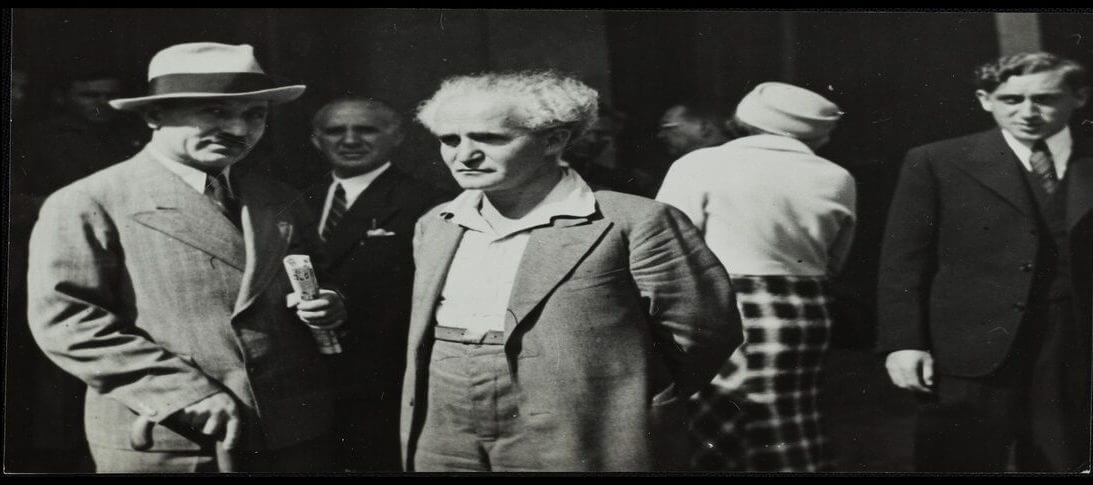
Elected as chairman of the Jewish Agency for Israel David Ben-Gurion became an official leader of the Zionist movement worldwide
1935

With the publication of the “White Paper,” which restricted Jewish immigration and settlement in British Mandate Palestine, David Ben-Gurion defined the strategy of the struggle by increasing immigration and establishing settlement points even in areas prohibited by the British authorities.
1939
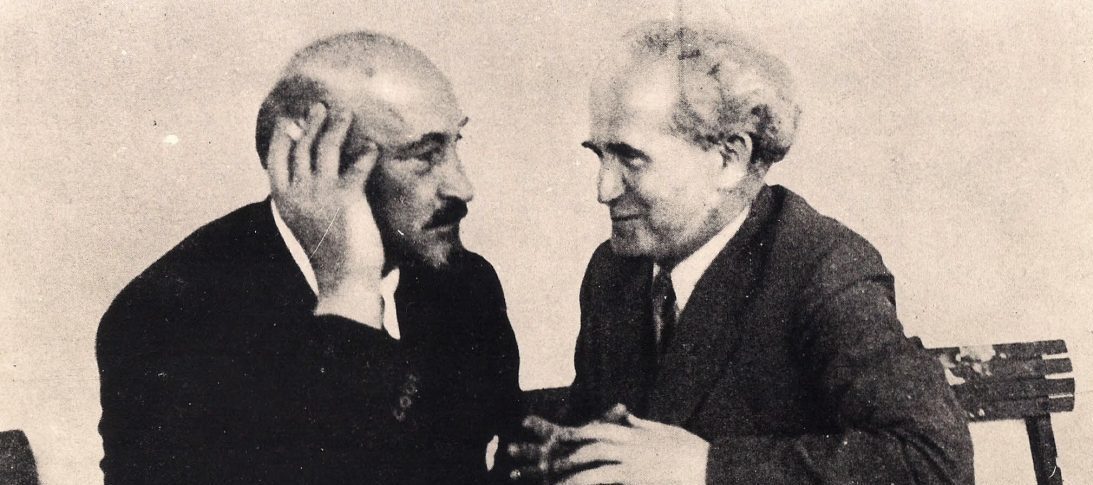
During World War II, David Ben-Gurion and Chaim Weizmann initiated the Biltmore Conference, the first major conference of American Zionists. . The conference adopted the Biltmore Program, which called, among other things, for the establishment of a Jewish military force and a just solution to the problem of Jewish statelessness.
1942
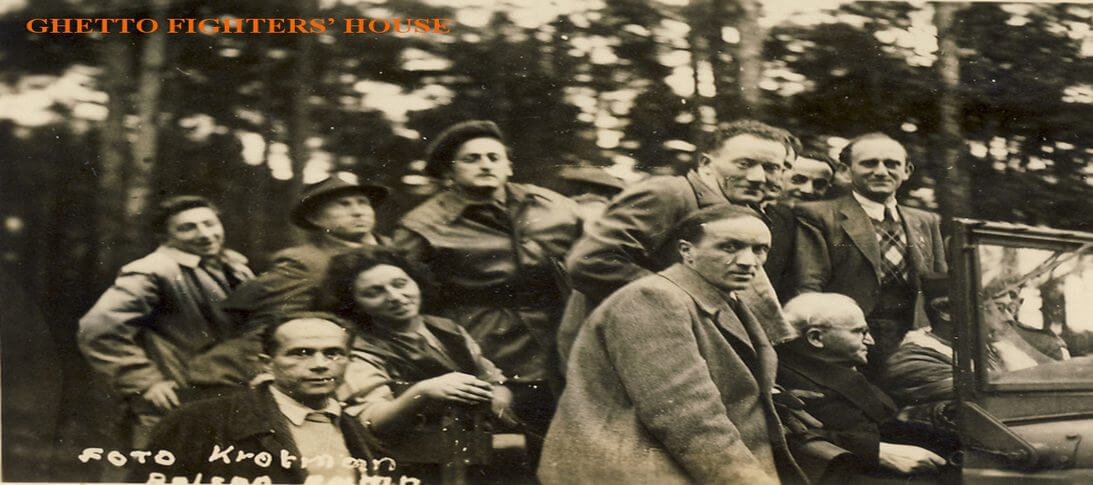
During World War II, David Ben-Gurion visited displaced persons camps established in Germany after the war, where Holocaust survivors were gathered. “I saw in Bergen-Belsen the graves of the thousands who were murdered every day by the Nazis, and I saw the few remains that had been saved in a miraculous way, and in their hearts the love for the homeland was strong.” (The Old Man and the People: Personal Letters of David Ben-Gurion, p. 94). Photographed by Photo Krotman, courtesy of the Ghetto Fighters’ House Museum / Photo Archive.
1945
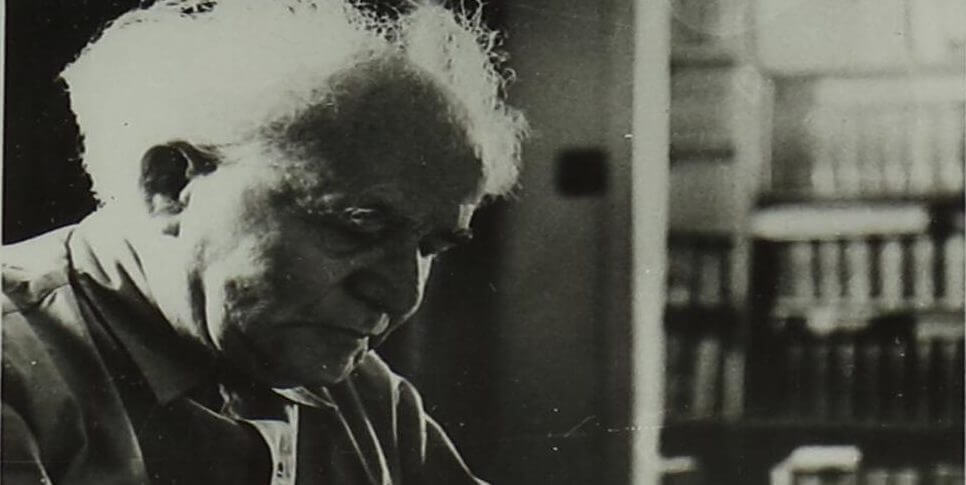
David Ben-Gurion was responsible for national security within the leadership of the Jewish Agency for Israel and, for several months, led seminars for the Jewish National Fund, where he laid the groundwork for the establishment of an army for the future Jewish state.
1947

In November 1947, the United Nations General Assembly passed a resolution to partition the Land of Israel based on the recommendation of the UN committee. David Ben-Gurion accepted the plan on behalf of the Jewish people, and the following day the War of Independence began.
1947
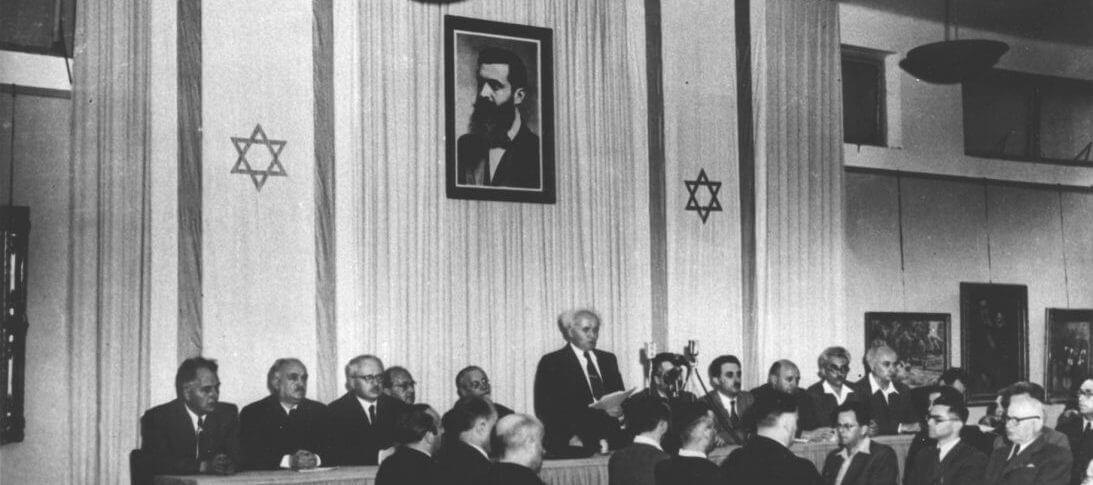
On May 14, 1948, after the British withdrew from the Land of Israel, David Ben-Gurion declared the establishment of the State of Israel. Following the declaration, he served as the country’s interim Prime Minister and held the position of Minister of Defense.
During the 1948 War of Independence, Ben-Gurion was responsible for overseeing the battlefield and played a central role in shaping the structure and strength of the Israel Defense Forces. His military decisions helped determine the course of the war.
1948
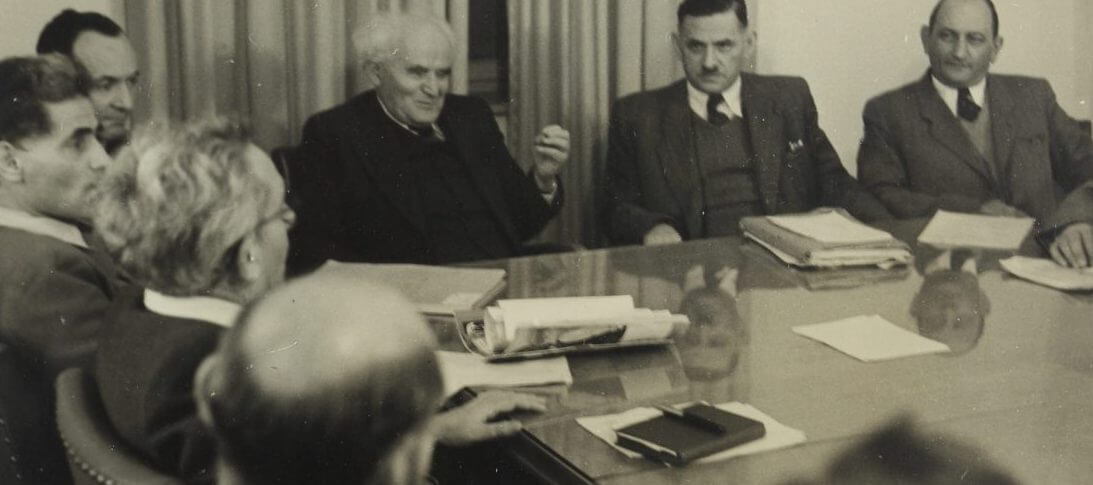
On December 5, 1949, shortly before a debate in the United Nations General Assembly on the internationalization of Jerusalem, David Ben-Gurion addressed the Knesset and declared that Jerusalem is the “eternal capital of Israel” and “the heart of the State of Israel.”
1949
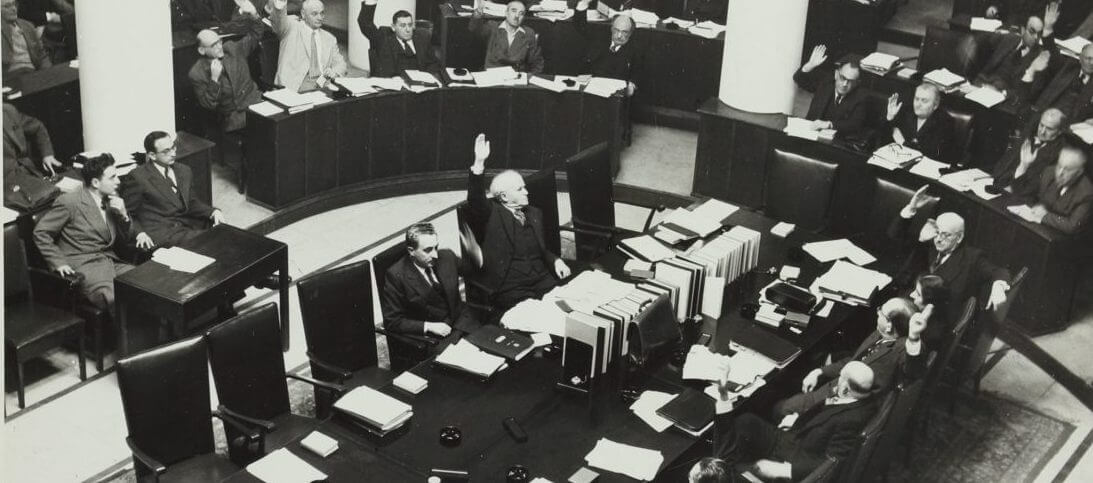
David Ben-Gurion brought before the Knesset the idea of a reparations agreement with the German government. The proposal sparked widespread public protest, as many felt it “quantified” the suffering of Jews in the Holocaust.
1952
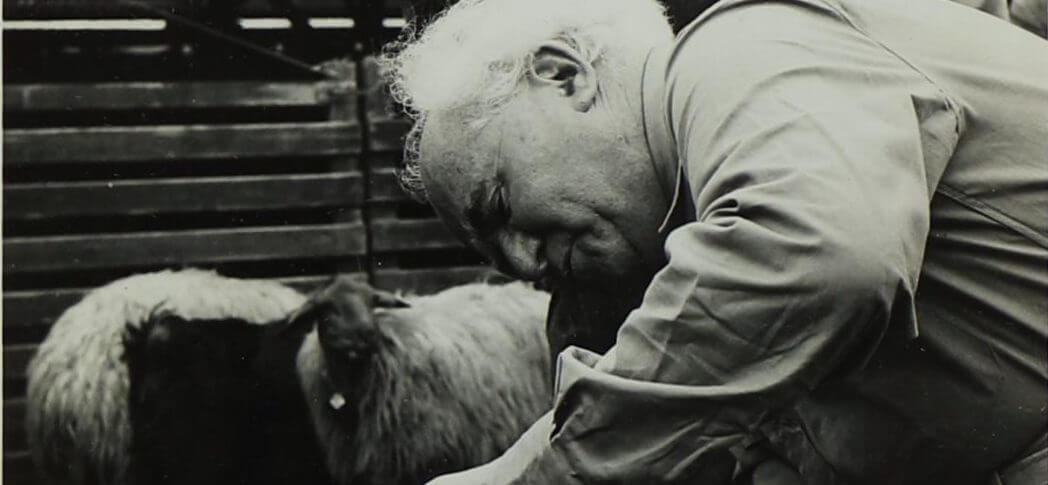
In December 1953, David Ben-Gurion resigned from the government and the Knesset and moved to Kibbutz Sde Boker in the Negev region in southern Israel. He did so to set a personal example and encourage young people to settle in the Negev region.
1953
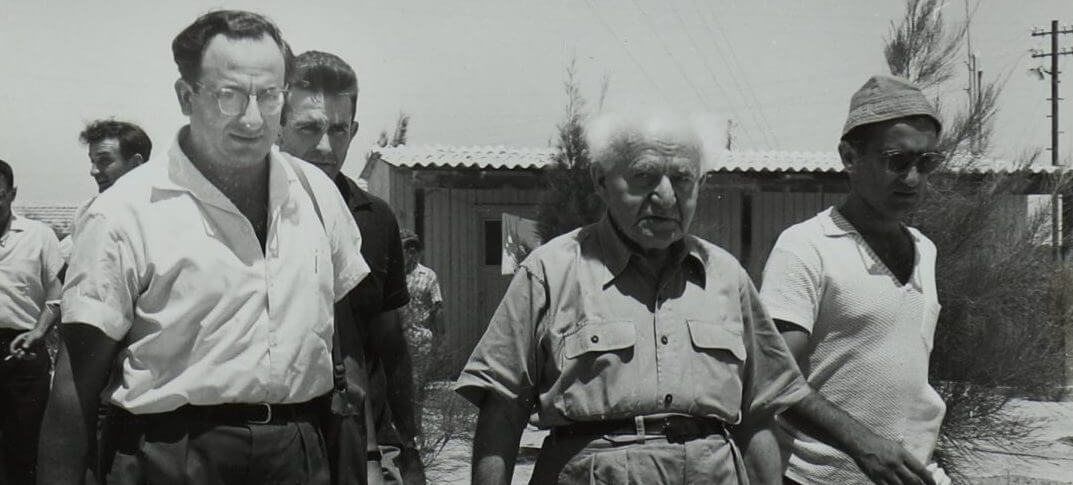
In February 1955, David Ben-Gurion returned to his position as Minister of Defense, and in November of that year he was elected Prime Minister while continuing to serve as Minister of Defense.
1955
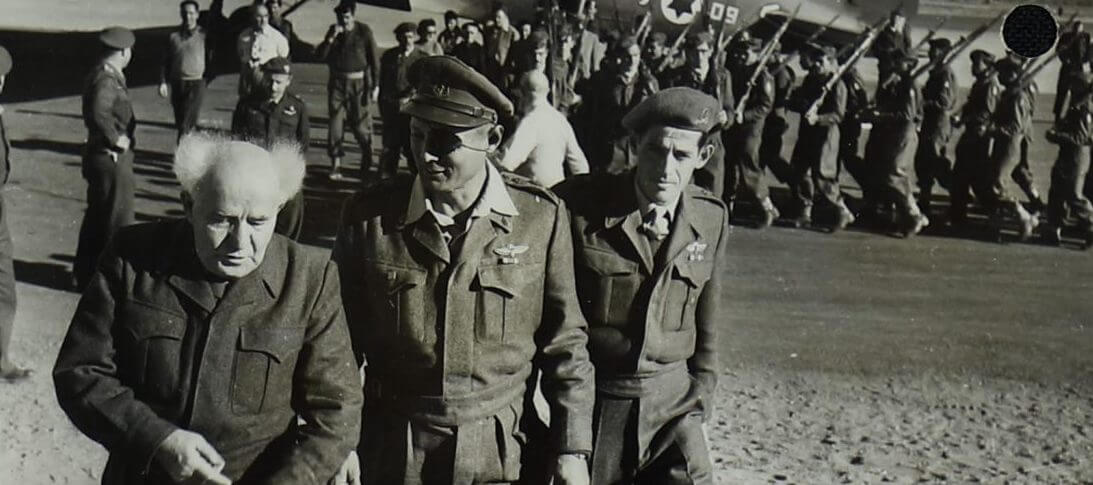
In October 1956, following agreements with France and Great Britain, David Ben-Gurion announced the launch of the Sinai Campaign and ordered the occupation of the Sinai Peninsula (Operation Kadesh). Following international pressure, he later ordered a withdrawal.
1956
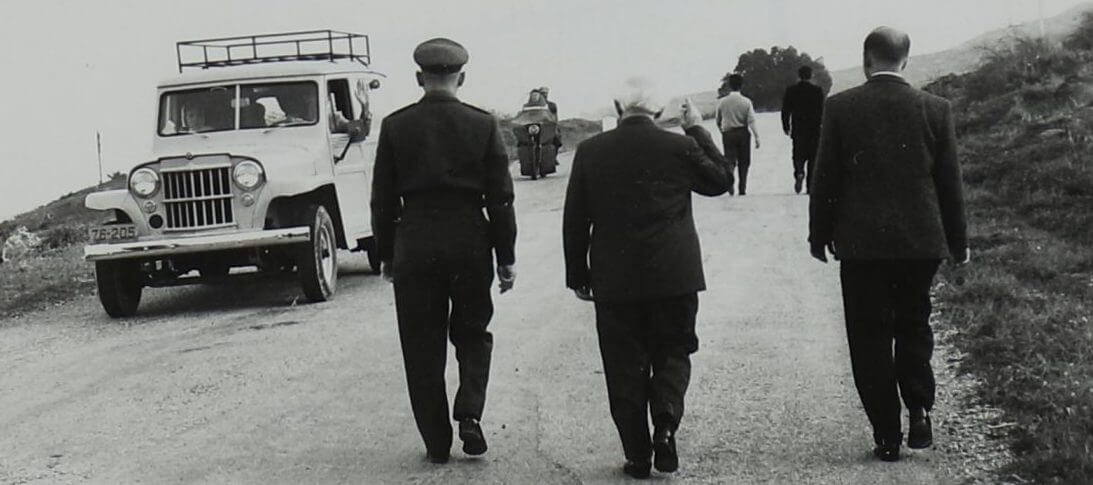
At the age of 77, David Ben-Gurion resigned and stepped down from his role as Prime Minister.
1963

Paula Ben-Gurion died unexpectedly following a stroke.
1968
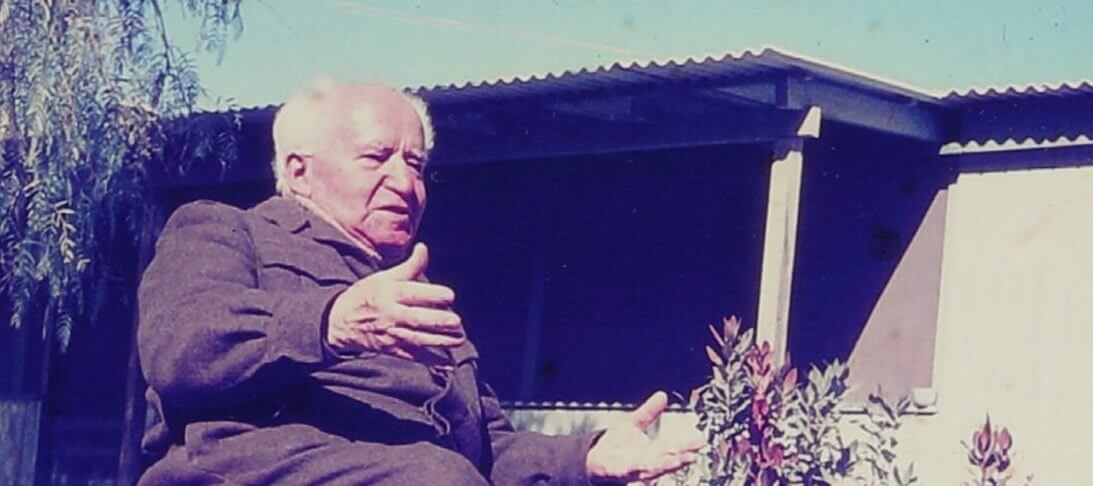
In 1971, at the age of 85, David Ben-Gurion resigned from the Knesset, withdrew from political life altogether, and devoted his time to writing his memoirs.
1971
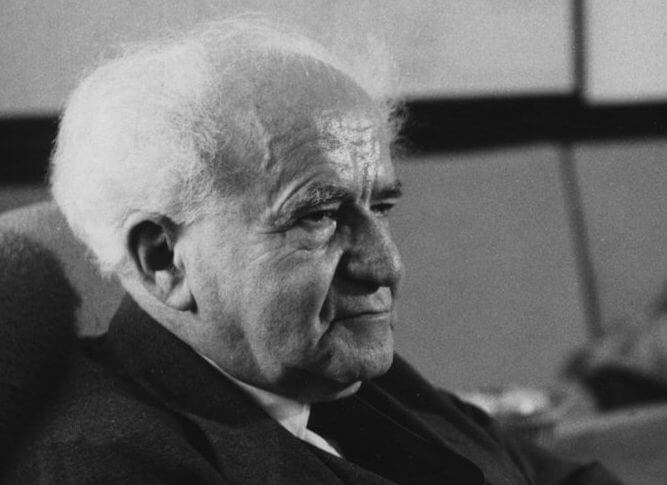
On Saturday, December 1, 1973, David Ben-Gurion died at the age of 87. He was buried at Sde Boker, beside his wife’s grave, in the plot he had chosen during his lifetime.
1973

