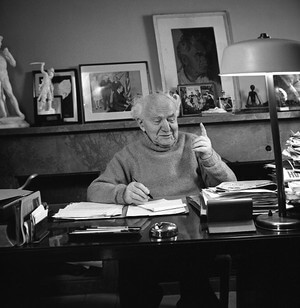
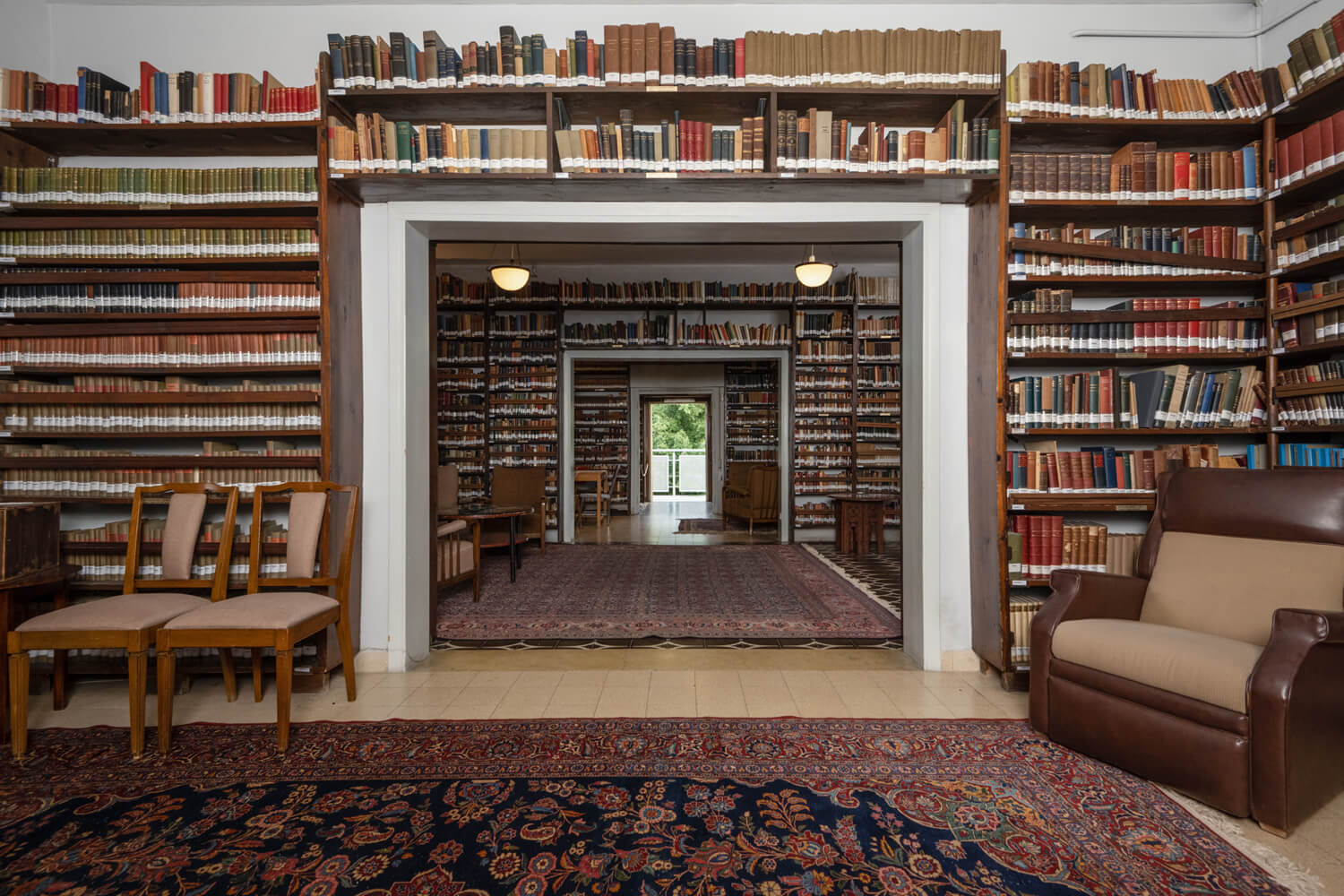
David Ben-Gurion bequeathed his home in Tel Aviv, along with its extensive library, to the State of Israel to serve as an “institution for reading, study, and research.”
Ben-Gurion was a devoted reader with wide-ranging interests. His library reflects this diversity and includes Greek and Latin texts (in the original and in translation), works on the history of Judaism, Christianity and Islam, 15 translations of the Bible into various languages, writings on the religions and cultures of the Far East, and both ancient and modern philosophy, including around 60 books on Spinoza in different languages.
The collection contains books in 37 modern and ancient languages.
Many volumes were personally dedicated and signed by their authors. In a special corner near his desk, Ben-Gurion kept books that held particular significance for him, including Bibles and memorial books for Israel’s fallen soldiers sent by institutions and bereaved families. The library includes books he acquired or received throughout his lifetime, preserved as they were originally arranged.
After Ben-Gurion’s death, no new books were added to the collection, except for works relating to his life, legacy, and public and political activity.
The library contains approximately 20,000 titles, including 66 rare books and 41 limited editions (up to 300 copies each).
Today, the library serves as a venue for discussions, lectures, film screenings and cultural events.
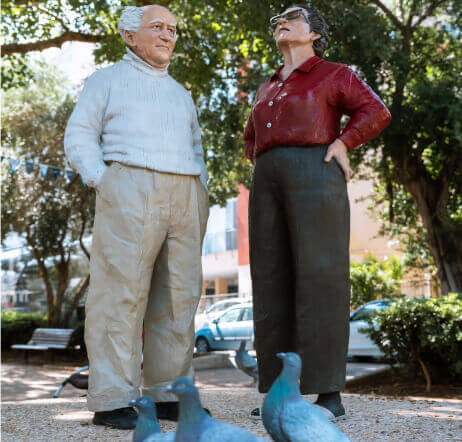
In the mid1920s, 36 working class families came together to establish a residential neighborhood within the city of Tel Aviv at what was then the northern edge of Tel Aviv. This initiative was known as “Workers’ Neighborhood A” and its members included prominent figures such as Histadrut secretary David Ben-Gurion, David Remez, Hillel Cohen (one of the leaders of Solel Boneh), David Zakai (editor of the Davar newspaper) and Avraham Zbarsky (senior executive at Hapoalim Bank), alongside about thirty additional workers and clerks.
Over the years, the area expanded both north, where additional workers’ housing was built, and south, where further residential development continued. Many of the residents of this area were key figures in the building of the future state.
Today, a walk through the old northern neighborhood offers a unique historical and cultural experience.
We invite you to explore this area through our unique audio tours and discover the neighborhood that helped shape the character of Tel Aviv and, in many ways, the State of Israel

The Ben-Gurion Center will be established next to the Ben-Gurion House, the former private residence of David Ben-Gurion and Paula Ben-Gurion. Today, the house serves as a museum that brings visitors closer to the formative moments of the State of Israel, while also functioning as a vibrant center for education, culture and community engagement. The new center continues this legacy as one of the most ambitious and significant cultural initiatives
currently underway in Israel.
From its earliest stages, the idea of the Ben-Gurion Center has been embraced by the Israeli government through the National Heritage Infrastructure Enhancement Program
, which is actively supporting its planning and development.
The Center is envisioned as a dynamic national and international hub, welcoming a broad and diverse audience including schoolchildren and youth groups, university students, soldiers
, social entrepreneurs, tourists, leaders of Jewish communities worldwide and international figures
engaged with Israel’s past, present and future.
At a time when Israeli society is navigating profound historical shifts, marked by both significant challenges and new opportunities, the Center’s role is especially timely. It seeks not only to preserve and present history, but also to translate Ben-Gurion’s legacy into a living, values-based framework for reflection and action. In doing so, the Ben-Gurion Center aspires to help shape a meaningful and practical vision for strengthening the society and
state to which David Ben-Gurion dedicated his life.
Chairman of the Council
Chairman of the Council
A Major General in the reserves, Nitzan Alon previously served as commander of the General Staff Reconnaissance Unit, commander of the Judea and Samaria Division, commander of the Central Command and head of the Operations Division. He served as project manager for the fight against the Iranian threat and during the Iron Swords War, was appointed commander of the intelligence effort concerning prisoners of war and missing persons.
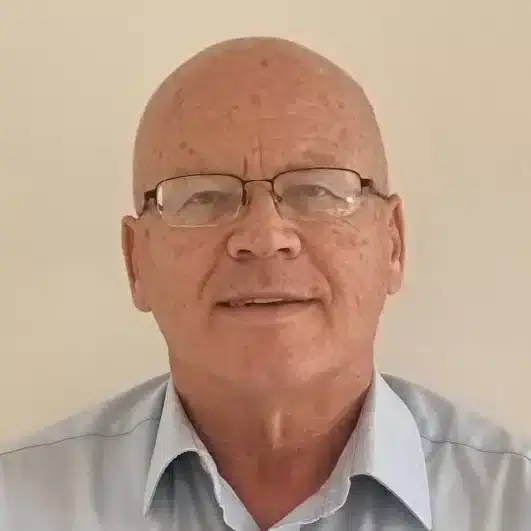
Chairman of the Board of Directors
Chairman of the Board of Directors
A long-serving senior officer in Israel’s defense establishment, Hagai Avimor held a range of high-level operational and managerial roles. He holds a BA in Political Science from the Tel Aviv University, an MA in National Security from the University of Haifa, and an MBA from Ono Academic College. He is a partner in several business ventures in Israel and abroad, serves on the board of a technology company, lectures in various fields and is active in multiple public associations.
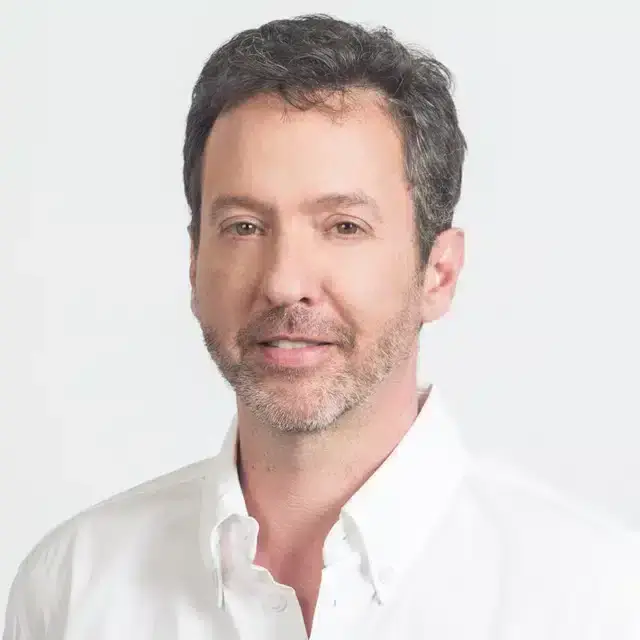
Member of the Board of Directors
Member of the Board of Directors
Son of Dr. Yariv Ben-Eliezer and grandson of Paula and David Ben-Gurion, Yoash Ben-Eliezer has served as Deputy CEO of the Tempo Group since 2010. He holds an MBA with a specialization in equality from Tel Aviv University. He is a former screenwriter for Channel 2 and a columnist for Maariv.
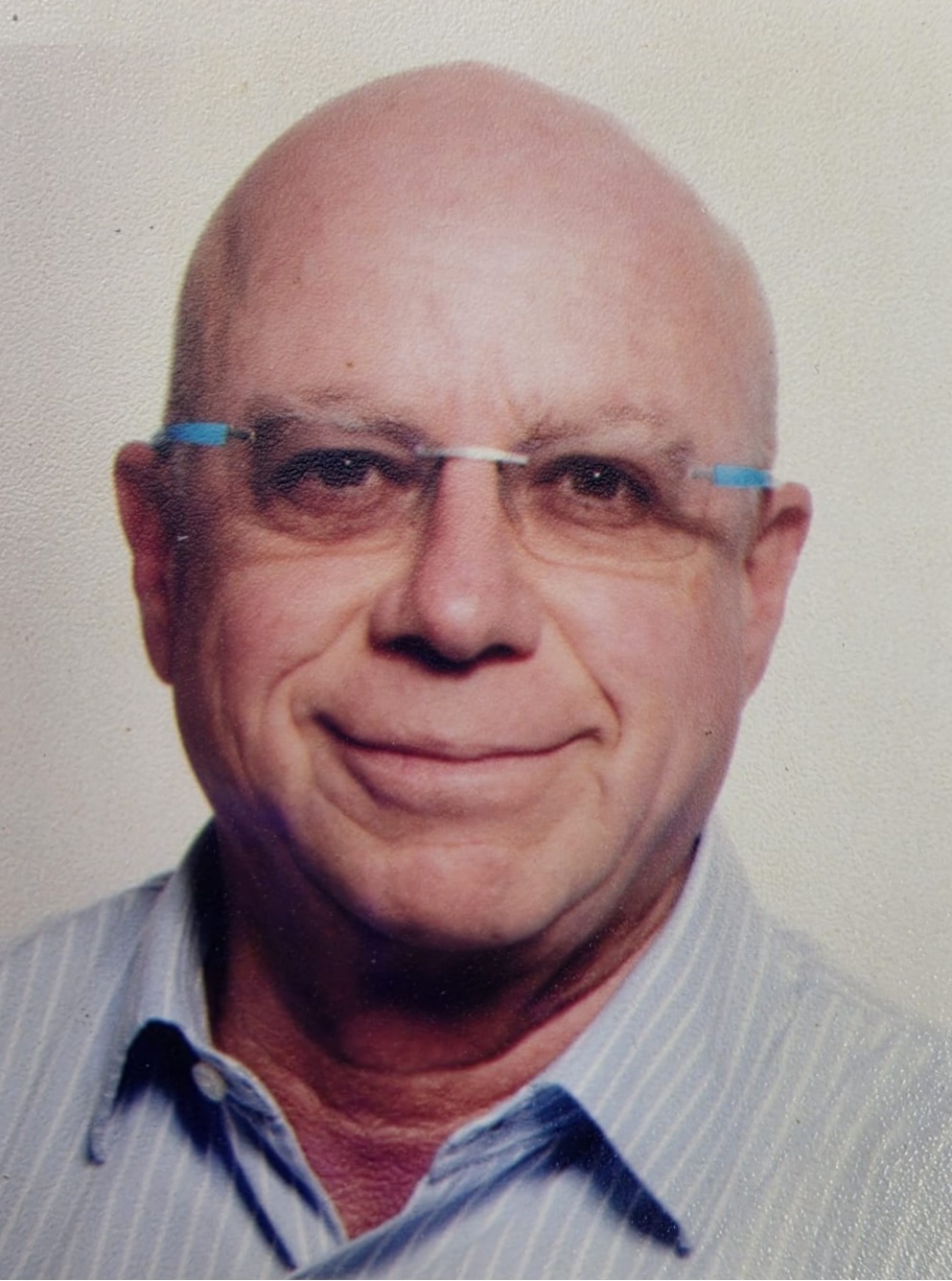
Legal Counsel and member of the Executive Committee
Legal Counsel and member of the Executive Committee
Owner of a Tel Aviv–based law firm, Yehoshua Argaman is a graduate of the Hebrew University of Jerusalem and a retired Lieutenant Colonel in Military Intelligence. Born in Jerusalem and raised next door to Ben-Gurion’s home and office in the Rehavia neighborhood, he has a long-standing personal connection to Ben-Gurion’s legacy. He also served as legal counsel to the family of Renana, Ben-Gurion’s daughter.
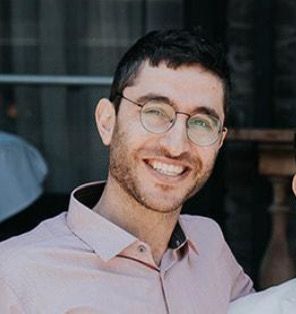
Member of the Executive Committee – Representative of the Mayor of Tel Aviv
Member of the Executive Committee – Representative of the Mayor of Tel Aviv
Tal Mizrahi serves as Senior Assistant to the Mayor of Tel Aviv-Yafo, Ron Huldai. He holds a BA in Law and Geography (with honors), an MA in Law, and an MA in the History of the Jewish People (with honors). His previous roles include Assistant to the Director General of the Prime Minister’s Office and a position in the Legal Department of the President’s Residence. In his current role, he oversees key municipal domains, including education, engineering, transportation, infrastructure, and government relations.
Member of the Executive Committee – Representative of the Jewish Agency
Member of the Executive Committee – Representative of the Jewish Agency
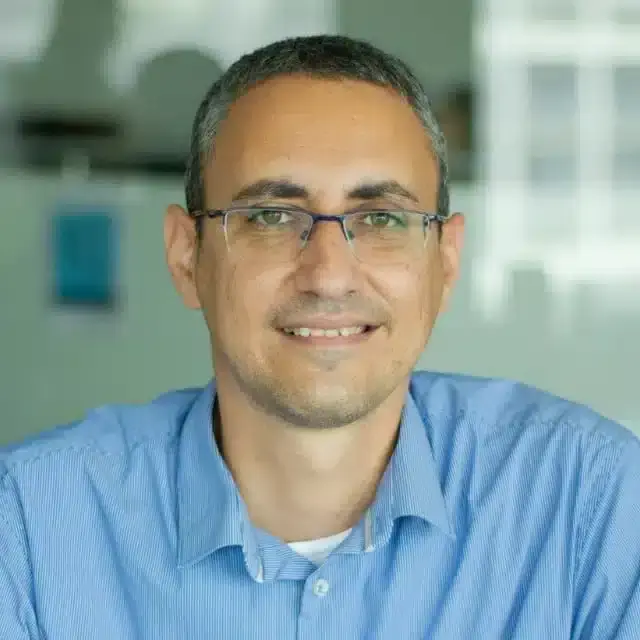
CEO of EILAM, a non-profit organization that collects royalties for musicians, Adir Vishnya is also a founding member of the Israeli Leadership Forum. He previously served as CEO of Eshkolot, Israel’s network of educational tour centers, and was a member of the Ministry of Education’s travel committee. His public service includes roles as senior advisor to Minister Yitzhak Herzog and as Vice President of Tara Consulting and Project Management.
Council member
Council member
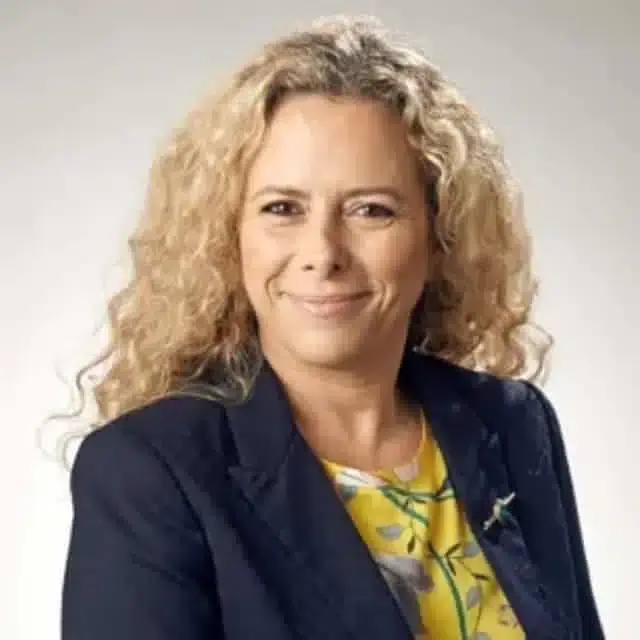
Chairwoman of the Israel Export Institute, former Member of Knesset and former Vice President of the Manufacturers’ Association of Israel, Ayelet Nachmias-Verbin began her public career alongside Prime Minister Yitzhak Rabin. She has held senior roles across the business and public sectors. Following her tenure in the Knesset, she returned to the private sector as an industrial entrepreneur and board director. She also served as Vice President of the Manufacturers’ Association and chaired both JReady and the Jewish Agency’s Fund for Victims of Terrorism.
Council member
Council member
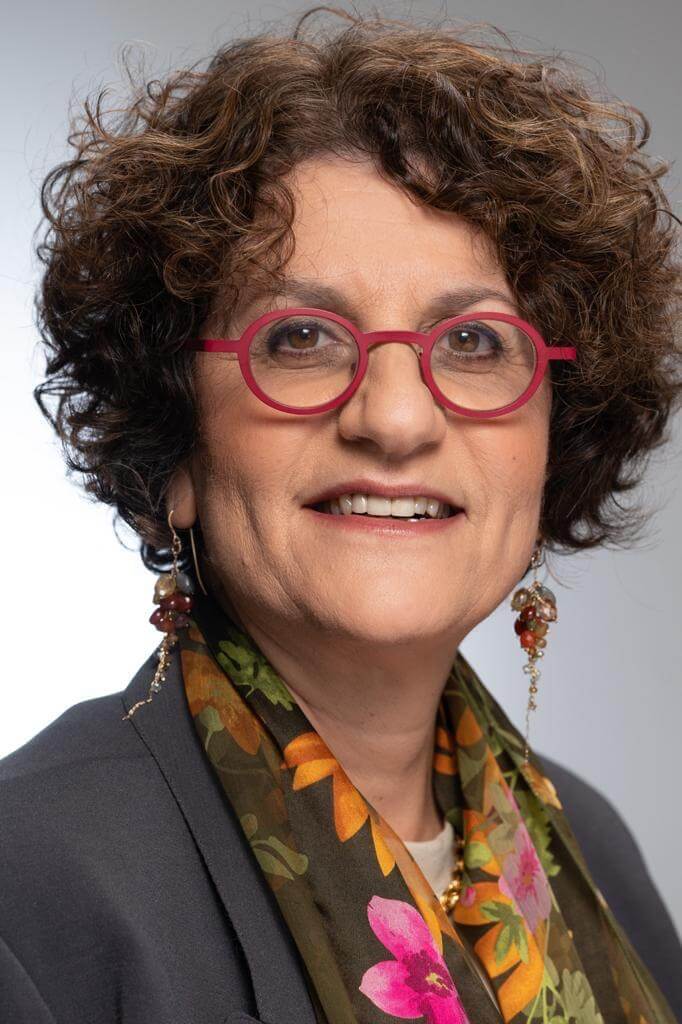
Ruth Ralbag has held senior positions in Israel’s healthcare and banking systems. She holds a BA in Economics and Business Administration and an MA in Public Policy, both from the Hebrew University of Jerusalem. She is actively involved in social initiatives and serves on the boards of various organizations and companies.
Council member – representative of the General Labor Federation
Council member – representative of the General Labor Federation
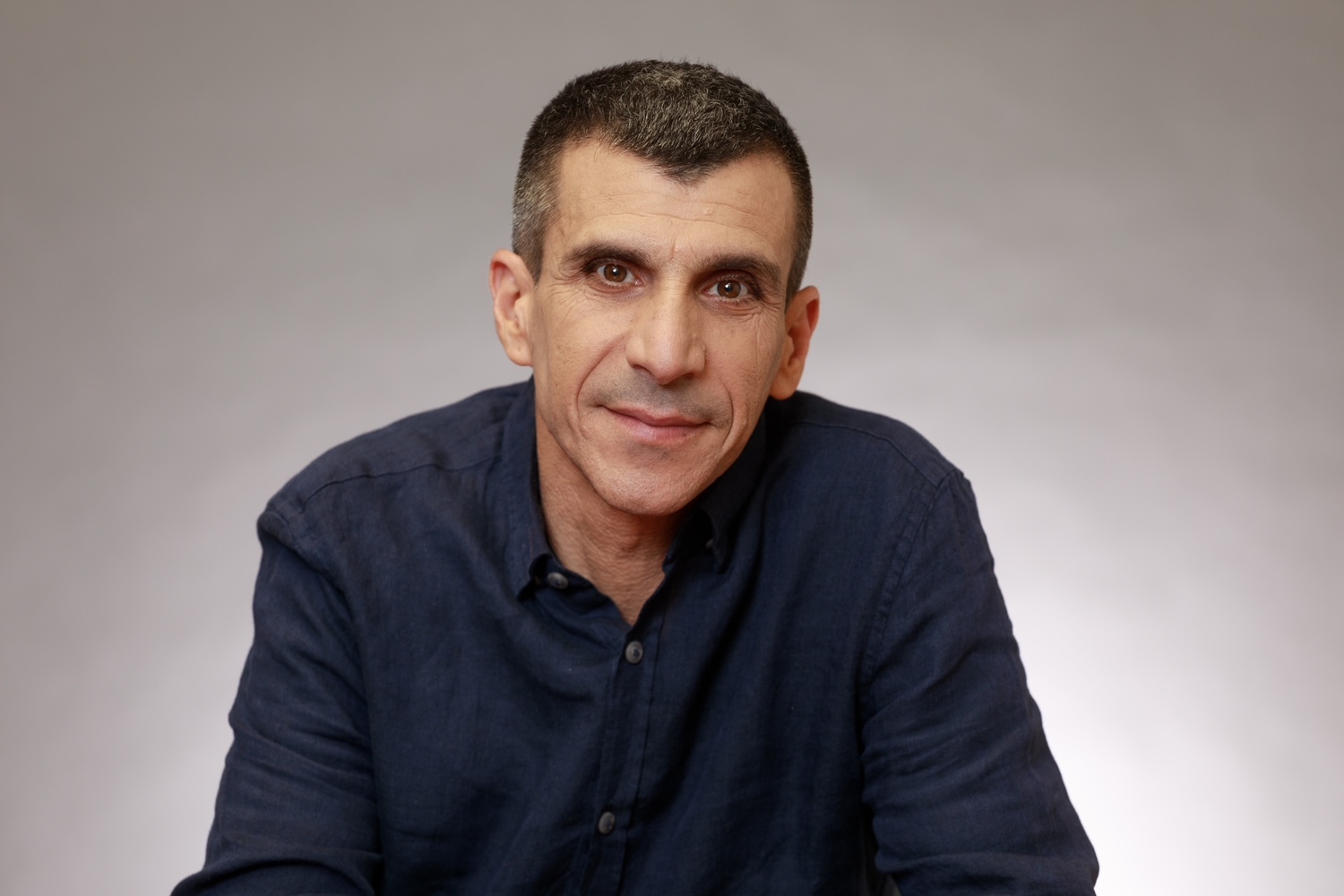
An alumnus of the HaNoar HaOved VeHaLomed youth movement, Amichai Satinger began as a participant, continued through the Nahal program, and later held various leadership roles. For the past decade, he has headed the Trade Union Organizing Division of the Histadrut and serves as CEO of Histadrut Maof
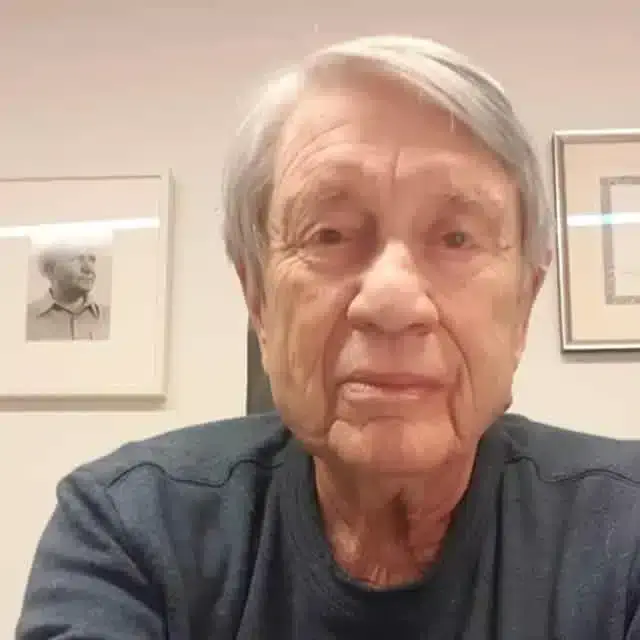
Council Member
Council Member
Born in Haifa, Aaron Sharf served as Prime Minister David Ben-Gurion’s bodyguard between 1958 and 1960. He later joined the Mossad, where he served for 35 years in a range of operational and senior staff roles. In 2002 he published Postcards from the Mossad.
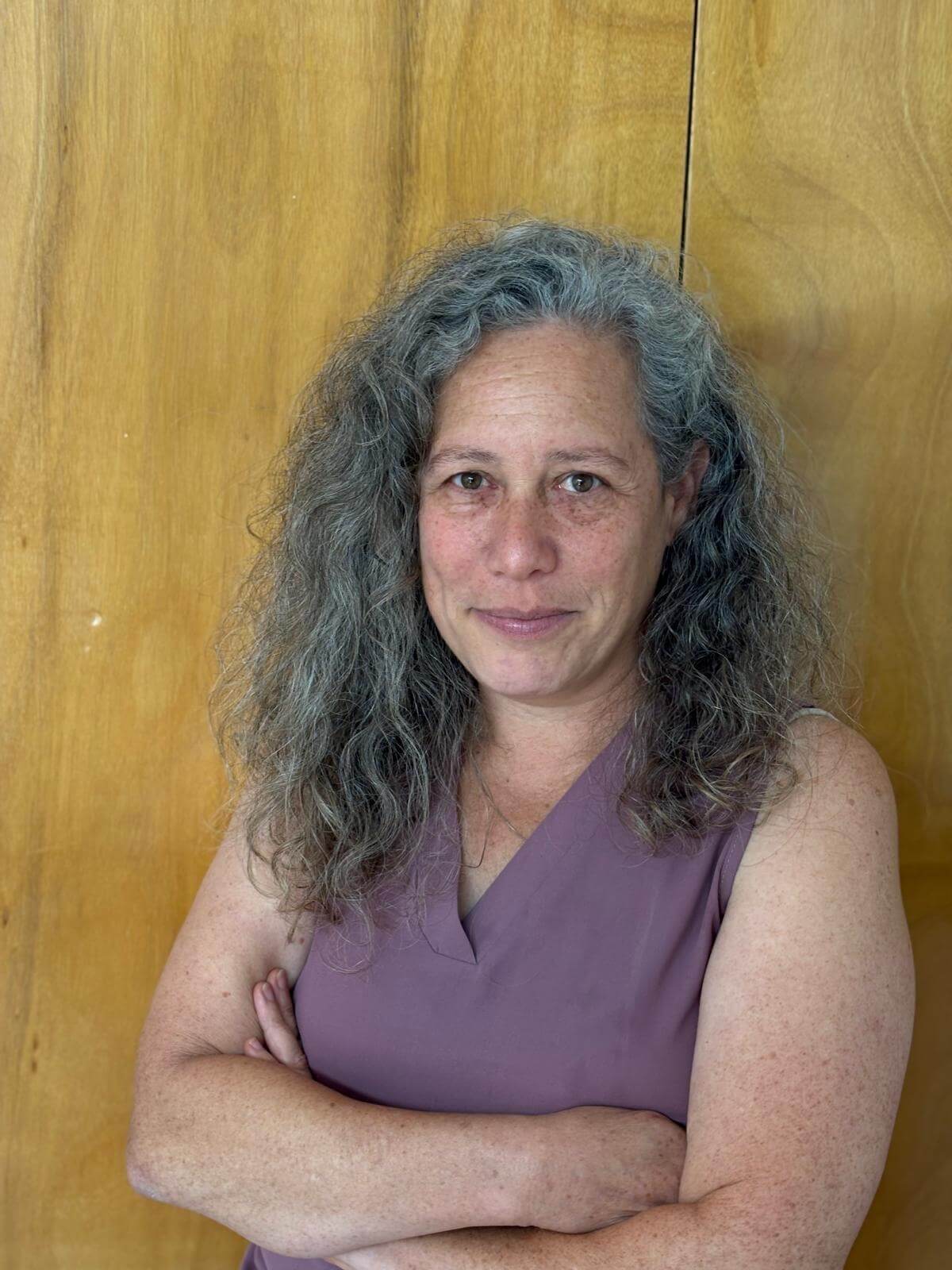
Council Member - Ministry of Defense representative
Council Member - Ministry of Defense representative
Director of the Palmach Museum in Ramat Aviv, part of the Ministry of Defense Museum system, Shiri Erlich Persol previously served as the museum’s education and training coordinator. She holds an MA in the History of the Jewish People from Tel Aviv University and curates historical exhibitions with an educational focus.
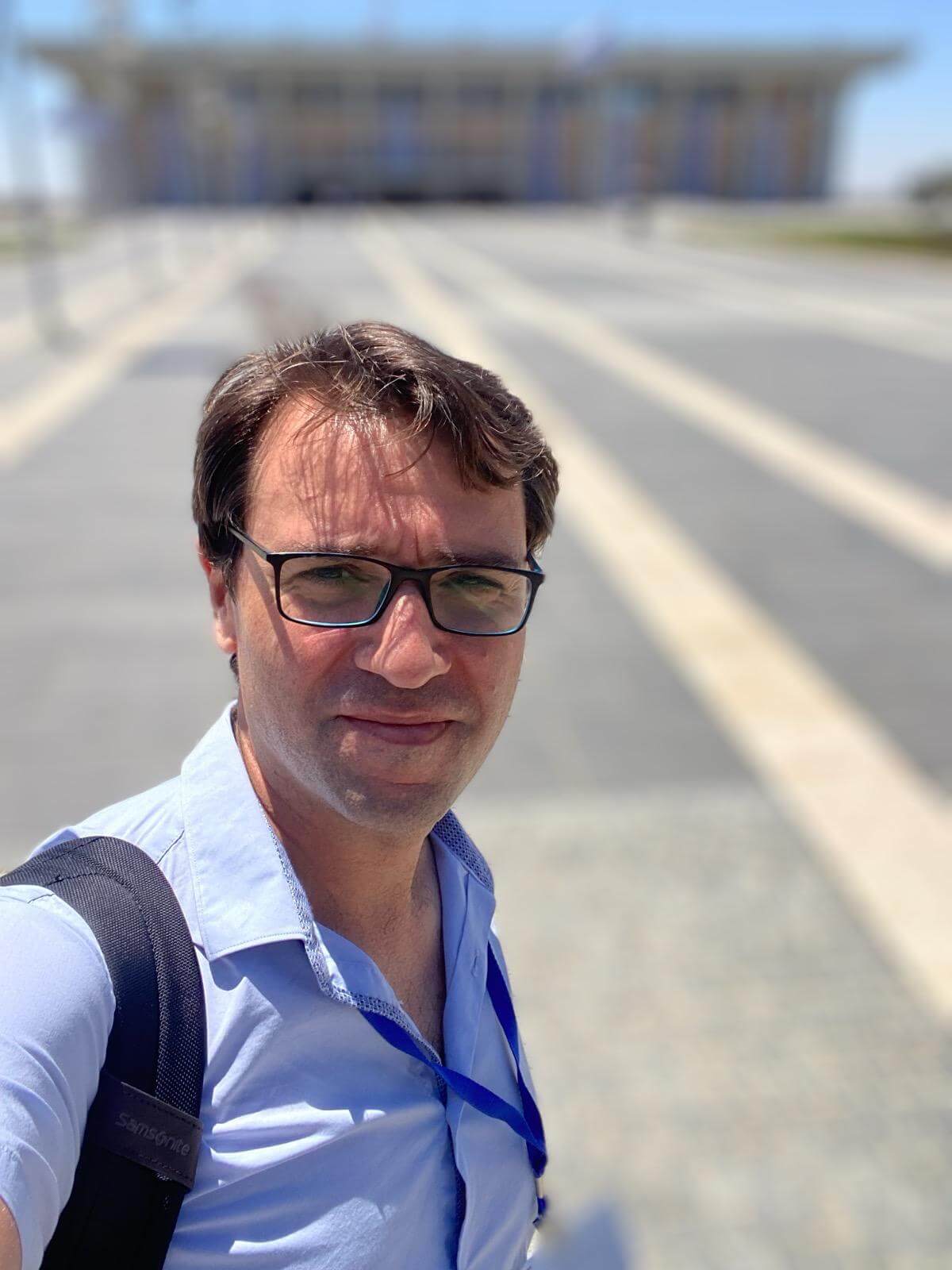
Council Member - Representative of the Ministry of Culture and Sports
Council Member - Representative of the Ministry of Culture and Sports
Zohar Zafarani serves as Director of the Department of Museums and Visual Arts at the Ministry of Culture and Sports. He oversees the development and advancement of dozens of museums and cultural and heritage institutions across Israel bringing extensive expertise and a broad strategic perspective in museology.
Council Member - Representative of the Prime Minister's Office
Council Member - Representative of the Prime Minister's Office
Born in Canada, Ofir Falk holds a BA in International Relations from the Hebrew University of Jerusalem, a law degree, an MBA from the University of Manchester, and a PhD in International Relations from the University of Haifa. He previously interned at the State Attorney’s Office and worked at the Ministry of Defense He is the founder of Acumen, a firm specializing in security risk management and currently serves as political advisor to Prime Minister Benjamin Netanyahu.